
Demonstrate your organization's commitment to responsible waste management through a structured certification program that evaluates diversion performance, operational excellence, resource efficiency, and continuous environmental improvement.
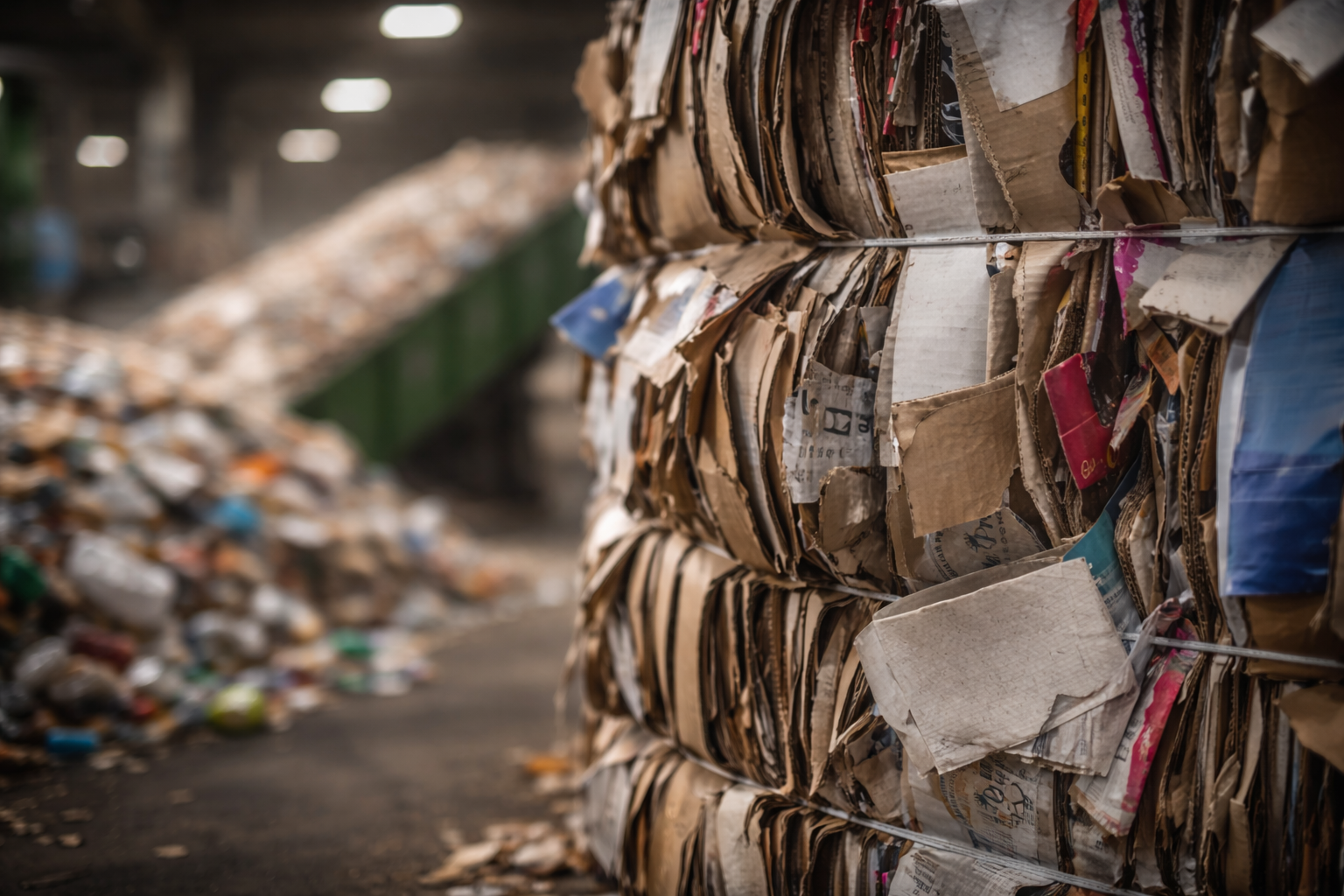
Zero Waste Certification recognizes organizations that successfully implement waste reduction strategies, responsible material management, recycling initiatives, and continuous improvement practices.
Rather than focusing only on waste disposal, the certification evaluates the complete lifecycle of materials—from procurement and consumption to recovery, reuse, recycling, and diversion from landfill.
The certification process includes documentation review, operational assessment, verification, and independent evaluation to ensure that sustainability objectives are effectively implemented and maintained.
| Certification Level | Waste Diversion | Recognition |
|---|---|---|
| Bronze | Minimum 60% | Waste Management System Inplace |
| Silver | Minimum 75% | Excellent Waste Management |
| Gold | Minimum 80% | Advanced Sustainability Practices |
| Platinum | Minimum 90% | Industry Leadership in Zero Waste |
Minimum Diversion Target
Assessment Stages
Certification Levels
Typical Certification Validity
Zero Waste Certification can be implemented across organizations of different sizes and industries where waste generation, material handling, and sustainability practices are actively managed.
Production facilities seeking responsible material management and waste diversion.
Organizations implementing sustainable workplace practices and resource efficiency.
Schools, colleges and universities promoting environmentally responsible campuses.
Hospitals and healthcare facilities managing regulated and non-regulated waste responsibly.
Hotels, resorts and restaurants improving waste reduction and recycling initiatives.
Distribution centers improving packaging, recovery and recycling systems.
Understand organizational goals, waste management practices, and certification objectives.
Review policies, waste records, operational procedures, diversion reports, and sustainability documentation.
Evaluate operational practices, waste segregation, collection systems, storage, and recovery activities.
Verify waste diversion performance against certification requirements and assessment criteria.
Address identified gaps through corrective measures before final certification approval.
Successful organizations receive certification and ongoing surveillance requirements where applicable.
The audit reviews the complete waste management lifecycle to evaluate compliance, efficiency, documentation, and continual improvement practices.
Verification of segregation practices at source and throughout operational areas.
Evaluation of recycling, reuse and recovery systems implemented by the organization.
Review of waste diversion reports, records and measurement methodologies.
Review of procedures, policies and supporting operational evidence.
Certification is generally issued after successful completion of the assessment and verification process. Organizations are encouraged to maintain continual improvement and periodic monitoring.
Renewal involves reassessment of waste management performance, operational controls, and updated documentation.
Speak with our experts to understand the certification process and identify the best pathway for your organization.
Contact Our Team